
LHC Directs Interior Ministry to Decide Pashtun Family’s CNIC Appeal Within One Month
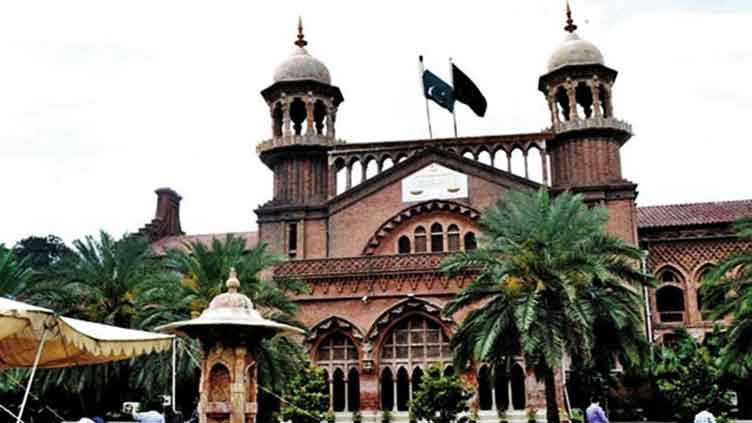
Lahore, April 15, 2025 — The Lahore High Court has ordered the Interior Ministry to decide within a month on an appeal filed by a Pashtun family seeking restoration of their Computerized National Identity Card (CNIC). The court clarified that delay in such matters is a denial of the fundamental rights of citizens and is tantamount to injustice in subjecting them to legal and economic uncertainty.
The order was issued by Justice Anwar Hussain after a family from Khyber Pakhtunkhwa approached the court. Their CNICs were blocked by NADRA on the grounds of “verification issues”. The family maintained that they had submitted all the necessary documents, but despite this, their CNICs were not restored, leaving them deprived of basic facilities like education, employment, banking and medical treatment.
“Identity is a right, not a convenience” — Court’s observation
During the hearing, Justice Anwar Hussain remarked that the right to identity is constitutionally protected and cannot be taken away through any administrative process without reason or procedure. He said that administrative delay in such sensitive matters creates severe hardships, especially for the weaker sections.
“The state cannot push its citizens to the margins of society by depriving them of their identity. This move is tantamount to denying them their legal presence in a way.”
Interior Ministry directed to take a comprehensive decision
The court ordered the Interior Ministry to fully examine the family’s appeal and issue a decision on it within 30 days. The court also ordered that the decision be provided in writing to the petitioner so that they can take further legal action if required.
NADRA was also directed to provide all relevant records and documents to the Interior Ministry so that the appeal can be decided at the earliest.
Longstanding problems of marginalized communities
The case highlights the identity problems faced by families of Pashtun, Baloch and Afghan origin, among others, in Pakistan. These families often face discrimination and bureaucratic hurdles in the process of identity verification. While NADRA maintains that the verification process is necessary for national security, critics say the lack of a transparent and time-bound procedure leaves affected families out of the system.
According to the petitioner’s lawyer, the family has been facing these problems for the past two years. Their children have not been able to get admission in school, while the family has also been denied medical and banking facilities.
Court’s warning to bureaucracy
The court warned NADRA and the Interior Ministry that negligence or carelessness in identity-related appeals will not be tolerated. Justice Anwar Hussain said that when the state takes away the identity of a citizen, it is essentially denying his or her existence. He stressed that transparency and accountability are essential in the administrative system, and protecting the dignity of all citizens is the first responsibility of the state.
A step towards justice
The Lahore High Court’s decision has been appreciated by human rights activists, saying it is an important step that will pave the way for resolving the problems faced by the deprived sections. Legal experts have termed the court’s decision as an effective precedent, which will provide guidance for similar cases in the future.
For the affected family, the decision is a ray of hope — a positive step towards not only restoring their identity but also achieving their rightful place in society.


